

Forgiving yourself is harder than forgiving anyone else.

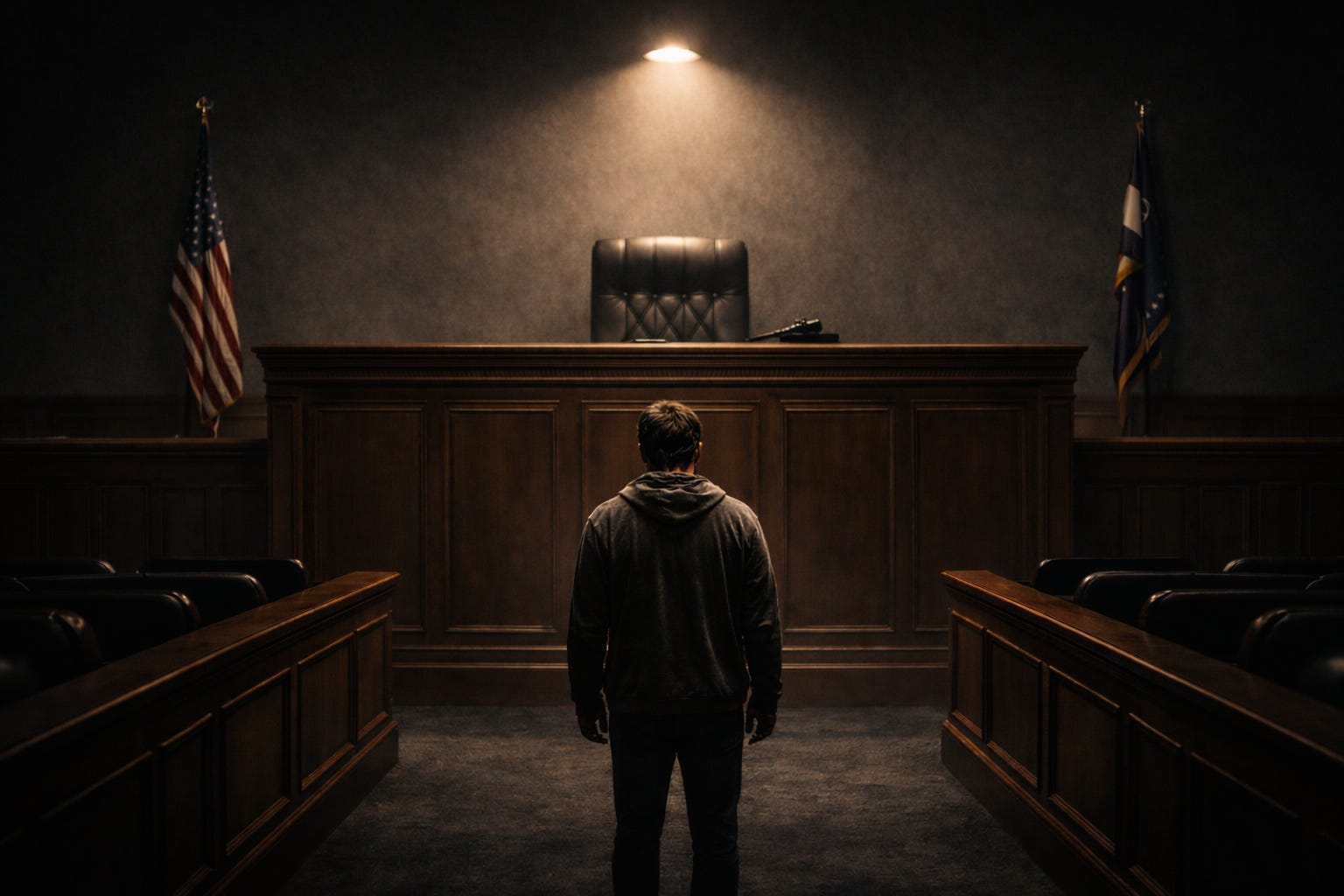
People talk about forgiveness like it is something you offer outward, like generosity, like grace. But the hardest forgiveness is internal. It is forgiving yourself for what you did to survive. Not what you did out of cruelty or ego. What you did under pressure. What you did while scared. What you did when no one showed up and you were running on fumes. That is the forgiveness nobody prepares you for.
You judge yourself with information you did not have then. That is the quiet cruelty most people never notice. You replay moments with the clarity you have now and punish the version of you who did not know what you know yet. Why did I not leave sooner. Why did I trust them. Why did I stay quiet. Why did I explode. Why did I drink. Why did I believe them. Why did I not see it. But the truth is simpler and harder to accept. You made the best decision you could with the nervous system you had at the time. That version of you was not stupid. They were overwhelmed. And overwhelmed people do not choose perfectly. They choose what reduces pain fastest.
Survival choices are not moral failures. When you are trapped, regulated thinking goes offline. Your brain shifts from values to exits. Relief starts to matter more than dignity. Stability more than truth. Attachment more than safety. Silence more than confrontation. Not because you are weak, but because your body is trying to keep you alive. Later, when the danger passes, shame shows up and pretends to be wisdom. It says you should have known better. That voice is not wisdom. It is hindsight pretending to be morality.
You cannot forgive yourself while lying about the context you were in. If you minimize what you were dealing with, your self judgment will always feel justified. But when you tell the truth about it, about how alone you were, how scared, how manipulated, how exhausted, how much you were trying to hold together, your actions start to make sense. Forgiveness does not mean approval. It means understanding. And understanding dissolves shame in a way punishment never does.
You are not guilty for not being who you are now. The version of you who survived does not deserve to be judged by the version of you who healed. Growth does not give you the right to prosecute your past self. It gives you the responsibility to protect them. That person carried you here. Even if they stumbled. Even if they burned bridges. Even if they coped badly. They did not ruin your life. They kept it going long enough for you to change it.
Forgiving yourself does not mean letting other people off the hook. It does not mean what happened was okay, or no one harmed you, or you were equally responsible, or everything worked out for a reason. You can hold others accountable and still forgive yourself. In fact, you usually cannot do one without the other. When you stop blaming yourself for what you could not control, your anger gets cleaner. More precise. Less self destructive.
You know real self forgiveness is happening when you stop narrating your life like a cautionary tale. When you stop introducing yourself through your mistakes. When you stop flinching at memories that used to feel like evidence against you. The memories are still there, but they stop acting like a verdict. They become information instead of indictment.
Forgiving yourself does not sound like it is fine or it was not that bad or everyone messes up. It sounds like I did what I could. I did not know then what I know now. I was trying to survive. I do not deserve lifelong punishment for that. That is not weakness. That is maturity.
When you forgive yourself, something quiet but profound happens. Your nervous system softens. Your body stops bracing for a verdict that never comes. You stop rehearsing defenses for a trial that is already over. You do not forget. You do not excuse. You do not erase. You just stop attacking yourself for making it through.
-Cody
Kill The Silence
Why do you think that. What is it that you did wrong?
Thanks for sharing that. Ineeded to hear it